

Key Takeaways
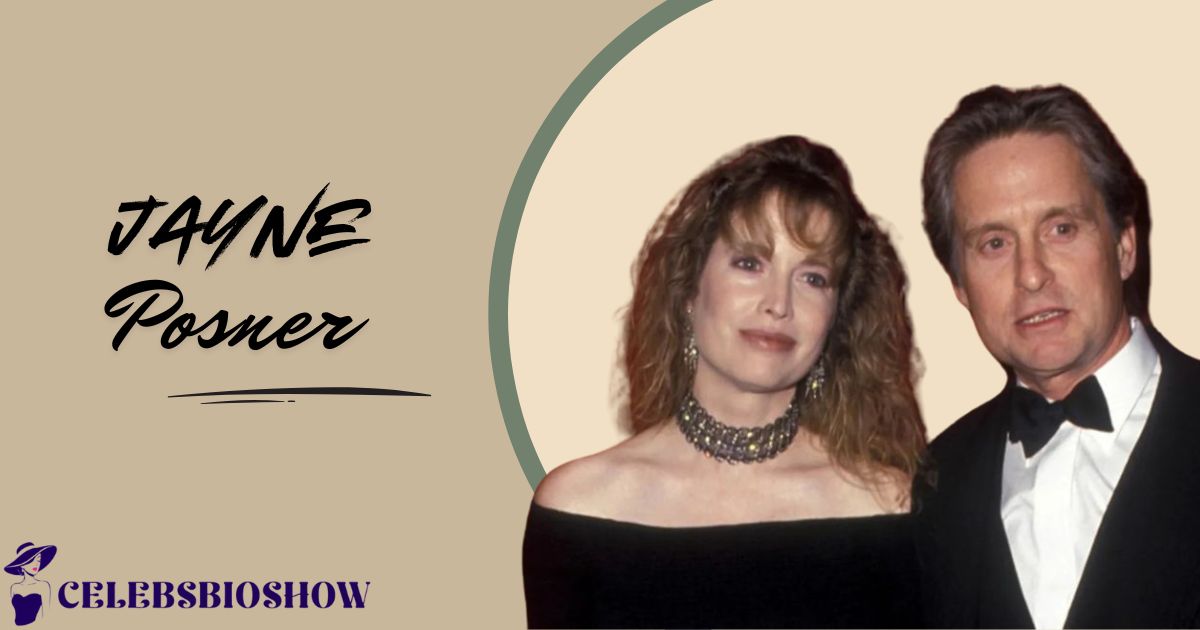
- The Architect of the Early Years: Jayne Posner wasn’t just Neil Diamond’s first wife; she was the structural integrity behind his initial rise, keeping the lights on while he chased a dream that seemed impossible.
- Innovator in the Classroom: Long before the term “influencer” existed, Jayne was shaping the future as a dedicated school teacher, innovating young minds while her husband reinvented pop music.
- Silence as a Superpower: in an era where everyone sells their trauma for a book deal, Jayne “authored” a masterpiece of privacy, refusing to cash in on her famous connection.
- The Muse in the Shadows: She is the emotional DNA behind hits like “Solitary Man,” serving as the grounding force that allowed Diamond to explore themes of loneliness and love.
- Broadway’s Heroine: The hit musical A Beautiful Noise finally gives her credit, portraying her as the pivotal figure who transformed a shy songwriter into a global icon.
Let’s be real for a second. We live in a world obsessed with the guy holding the microphone. We count the platinum records, track the sold-out stadium tours, and memorize the lyrics that defined our high school breakups. But I’ve always been the kind of guy who looks at the side of the stage. Who is standing in the wings? Who made sure the rent was paid before the royalty checks started clearing? Who held the artist together when the rest of the world told them to get a real job?
Also Read: Elon Musk and Dan Greiner
In the massive, glittering story of Neil Diamond, that person is Jayne Posner.
You might see the title “Author, Speaker, Innovator” and scratch your head. You won’t find her giving TED Talks or hawking a self-help book on Amazon. But that’s exactly the point. Her authorship is in the narrative she refused to let the tabloids write. Her speaking was done in classrooms where she shaped the next generation. Her innovation was maintaining dignity in a celebrity culture designed to strip you of it. This isn’t just a bio of a rock star’s ex-wife. This is a look at a woman who built a life, helped build a legend, and then had the guts to walk away and keep her own name clean.
Who Was Jayne Posner Before the World Knew Her Name?
To really get Jayne, you have to scrape away the later layers of fame. You have to go back to a time when “Neil Diamond” was just a name on a birth certificate, not a marquee.
Why Does the Catskills Summer of 1958 Matter So Much?
Picture it. New York, late 1950s. The air is thick with humidity and the smell of brisket. The Catskills weren’t just a vacation spot; they were a cultural institution for Jewish families from the city. This was the era of Dirty Dancing vibes, but without the Hollywood gloss.
Jayne Posner was there, just living her life. She was sharp, educated, and had her head on straight. Then there’s this kid—Neil. He isn’t the “Jewish Elvis” yet. He’s a waiter. A busboy. He’s clearing plates and taking orders, probably sweating through his shirt and wondering if his guitar playing will ever amount to more than a hobby.
I love this origin story because it flips the script. Usually, the girl falls for the star. Jayne fell for the busboy. That tells you everything you need to know about her character. She didn’t buy into a fantasy; she bought into a person. She saw potential in a guy who was essentially invisible to the wealthy vacationers he served. That summer sparked a romance that wasn’t built on glamour, but on real, tangible connection. She was the steady ground; he was the cloud with a guitar. You need the ground if you ever plan to jump.
Was She the True Architect of His Early Confidence?
We throw the word “muse” around a lot, usually implying a woman just sat there looking pretty while a man painted her. I hate that interpretation. Jayne wasn’t passive. She was active.
They married in 1963. Do the math on that. The Beatles hadn’t even landed in America yet. The music industry was a shark tank of publishers in the Brill Building trying to churn out hits for other people. Neil was struggling. Rejection letters were piling up. He wasn’t bringing home the bacon; he was barely bringing home the crumbs.
Jayne stepped up. She became the primary breadwinner. She believed in his talent when music executives told him he was too “gravelly” or too “intense.” Imagine the strength it takes to look at your husband, who is failing by every conventional metric, and say, “Keep going. I’ve got the bills.” That is active participation. She authored his confidence. She edited his self-doubt. Without Jayne Posner paying the rent and offering that unwavering belief, Neil Diamond likely quits in 1964 and becomes a dentist or an accountant. We never get “Sweet Caroline.” We never get “America.” Jayne is the reason the music survived the lean years.
The Teacher as Innovator: What Was Her Professional Reality?
While Neil was chasing melodies, Jayne was chasing a different kind of success. She was a school teacher. In the context of the early 60s, this was one of the few strong career paths available to women, but don’t let that fool you into thinking it was easy.
How Did She Balance the Classroom and the Chaos?
Teaching is grueling. I have friends who teach, and they come home wiped out. Now imagine doing that all day—managing thirty kids, lesson planning, grading papers—and then coming home to a husband who is riding the emotional roller coaster of the music business.
Jayne was an innovator in her own household. She had to create a system where her professional life could coexist with his artistic one. She wasn’t just “Neil’s wife.” She was Mrs. Diamond the teacher. She commanded respect in her own domain. This professional identity is crucial. It gave her a sense of self that had nothing to do with record sales.
As a “speaker,” she stood at the front of that room daily, imparting knowledge and values. We often overlook the influence of teachers, but they shape the future more than any pop song. Jayne was pouring her energy into her students, innovating ways to reach them, all while her personal life was beginning to accelerate into the stratosphere of fame. It’s a balancing act that would break most people. She did it with grace.
Why Didn’t She Ever Write a Tell-All Book?
This is the question that nags at everyone. You search “Jayne Posner book” and you get nothing written by her. Why? She could have secured a seven-figure advance easily. “The Real Solitary Man: My Life with Neil.” It sells itself.
But she didn’t write it.
I think her refusal to write a book is the most “author-like” decision she ever made. She authored her own boundaries. In a culture that demands we monetize our pain and air our dirty laundry, Jayne chose silence. That silence is loud. It says, “My life is mine. My memories are not for sale.”
By not writing the book, she protected her children, Marjorie and Elyn. She protected her own peace. She refused to become a caricature of the “bitter ex.” Instead, she let her life speak for itself. She authored a legacy of integrity. That’s a rarer commodity than a bestseller.
The Breaking Point: Why Did the Marriage Crumble in 1969?
If the early 60s were the climb, the late 60s were the vertigo. 1969 wasn’t just the year of the moon landing; it was the year the Diamond marriage crash-landed.
Did Success Kill the Romance?
It’s the oldest cliché in the book, but clichés exist for a reason. Fame is a predator. It eats relationships. By 1969, Neil Diamond was no longer the struggling songwriter. He was a bona fide star. He was touring constantly. He was surrounded by “yes” men and adoring fans.
Jayne was back home. She was raising two little girls. She was still grounded in the reality they had built together, while he was living in a fantasy world of hotels and applause. The disconnect became a canyon. Neil has admitted in interviews that he didn’t know how to be a husband then. He was consumed by the work. He was “Solitary Man” not just in lyrics, but in practice, isolating himself even when he was married.
For Jayne, the “Innovator” who had managed to balance everything so far, the equation no longer worked. You can’t balance a scale when one person has stepped off entirely. The partner she knew was gone, replaced by a persona she couldn’t reach.
How Did the Cultural Shift of the 60s Play a Role?
You can’t ignore the backdrop. The late 60s were a cultural explosion. Sexual revolution. Woodstock. The breakdown of traditional family values. Everything was in flux.
Jayne and Neil met in the buttoned-up 50s. They were a product of a different time. Suddenly, the world around them was rewriting the rules of marriage and commitment. Neil was thrust into the center of this counter-culture shift. Jayne, focused on motherhood and teaching, likely represented the “establishment” or the “old life” to a man undergoing a massive identity crisis.
The split in 1969 was tragic, but looking back, it feels inevitable. They were moving at different speeds in different directions. Jayne wanted a husband and a father for her kids; Neil wanted to conquer the world. Those two goals rarely coexist peacefully.
Life After the Split: The Quiet Innovation of Moving On
Most people would crumble. Imagine your high school sweetheart becomes one of the most famous men on the planet, and you are left behind to pick up the pieces. Jayne Posner didn’t crumble. She pivoted.
How Did She Reclaim Her Narrative?
This is where Jayne earns her “Innovator” stripes for me. She didn’t cling to the surname like a life raft. She didn’t spend the next forty years giving interviews about “what he was really like.” She took her daughters and she built a real life.
She focused on motherhood. Marjorie and Elyn grew up away from the toxicity that ruins so many celebrity kids. They became functional, successful adults. That doesn’t happen by accident. That happens because a mother puts in the work. Jayne innovated a protective bubble around her family. She created normalcy in an abnormal situation.
She continued her work in education, staying true to the passion she had before the fame hit. There is something incredibly noble about that. She didn’t let his success define her failure. She defined her own success on her own terms.
What Is Her Relationship With the Family Now?
By all accounts, Jayne took the high road. She didn’t poison the well. Her daughters maintained a relationship with their father. Neil went on to marry Marcia Murphey (a marriage that lasted 25 years) and later Katie McNeil, but the foundation of his family tree remains Jayne.
The fact that there are no public feuds, no screaming tabloid headlines, and no bitter lawsuits speaks volumes about Jayne’s character. She prioritized the long game. She understood that anger creates headlines, but forgiveness (or at least civility) creates a family. She acted as a silent matriarch, ensuring that despite the divorce, the lineage remained intact.
The Broadway Resurrection: Her Story Finally Told
Here is the irony: Jayne tried to stay out of the spotlight, but the spotlight finally found her. The Broadway musical A Beautiful Noise brought her story back to life, and frankly, it was about time.
Why Is Her Character the Heart of the First Act?
If you see the show, you realize quickly that Act One belongs to Jayne. The writers understood that you cannot explain Neil Diamond without explaining Jayne Posner.
The musical portrays her as the spine of the operation. She is the one challenging him, loving him, and pushing him. It’s a vindication. For decades, she was just a footnote in his Wikipedia page. Now, eight times a week on Broadway, an audience watches a talented actress embody her strength.
This artistic “biography” validates everything I’ve suspected about her. She wasn’t a passive passenger. She was the co-pilot who got shoved out of the cockpit right before the plane reached cruising altitude. Seeing her recognized as a “Speaker” of truth and a vital partner in his development is a cultural correction I’m glad we finally got.
For a deeper look at the real people behind the characters, check out this breakdown of Neil Diamond’s life and loves.
What Can We Learn From Jayne Posner?
So, why does this matter? Why write 2,500 words about someone who wants to be left alone? Because Jayne Posner teaches us things that the rock stars can’t.
- The Power of the Pivot: When life blows up your plan, you don’t have to blow up with it. You can pivot. You can return to what you know (teaching, family) and build something new.
- Dignity is a Choice: In an age of oversharing, dignity is a rebellious act. You don’t have to tell your side of the story to know you’re right.
- Invest in People, Not Personas: Jayne bet on the busboy. Even though the marriage ended, that initial instinct—to value the human being over the status—is a lesson in how to love correctly.
- Success Has Many Fathers (and Mothers): No one does it alone. Behind every “Solitary Man,” there is usually a woman who made sure he wasn’t actually solitary until he chose to be.
The Final Verdict
Jayne Posner is an author. She wrote a life of resilience. She is a speaker. She spoke values into a family that could have easily fallen apart. She is an innovator. She found a way to be the ex-wife of a legend without letting it consume her identity.
We listen to the songs and we hear Neil’s voice. But if you listen closely to the early tracks, to the struggle and the hope embedded in those first few albums, you might just hear the echo of Jayne Posner. She was the silence between the notes that made the music possible. And sometimes, the silence is the most important part of the song.
FAQs – Jayne Posner
Who was Jayne Posner before Neil Diamond became famous?
Jayne Posner was a dedicated school teacher living in the Catskills, where she met Neil Diamond when he was working as a busboy, and she saw potential in him before he achieved fame.
Why does the Catskills summer of 1958 matter in Jayne Posner’s story?
The 1958 Catskills summer was significant because it was where Jayne fell in love with Neil Diamond, seeing his potential as a musician while he was still working as a waiter, laying the foundation for their future together.
Did Jayne Posner help build Neil Diamond’s early confidence?
Yes, Jayne actively supported Neil Diamond, believed in his talent despite rejection, and played a pivotal role in editing his self-doubt, effectively authoring his confidence during his struggling years.
Why didn’t Jayne Posner ever write a tell-all book about her life with Neil Diamond?
Jayne refused to write a tell-all, choosing silence to protect her privacy, her children’s well-being, and her own peace, thereby authoring her legacy of integrity rather than monetizing her personal life.
What can we learn from Jayne Posner’s life and choices?
Jayne teaches the power of resilience, dignity, valuing people over personas, and the importance of pivoting and building a life of integrity even after personal and public upheaval.