

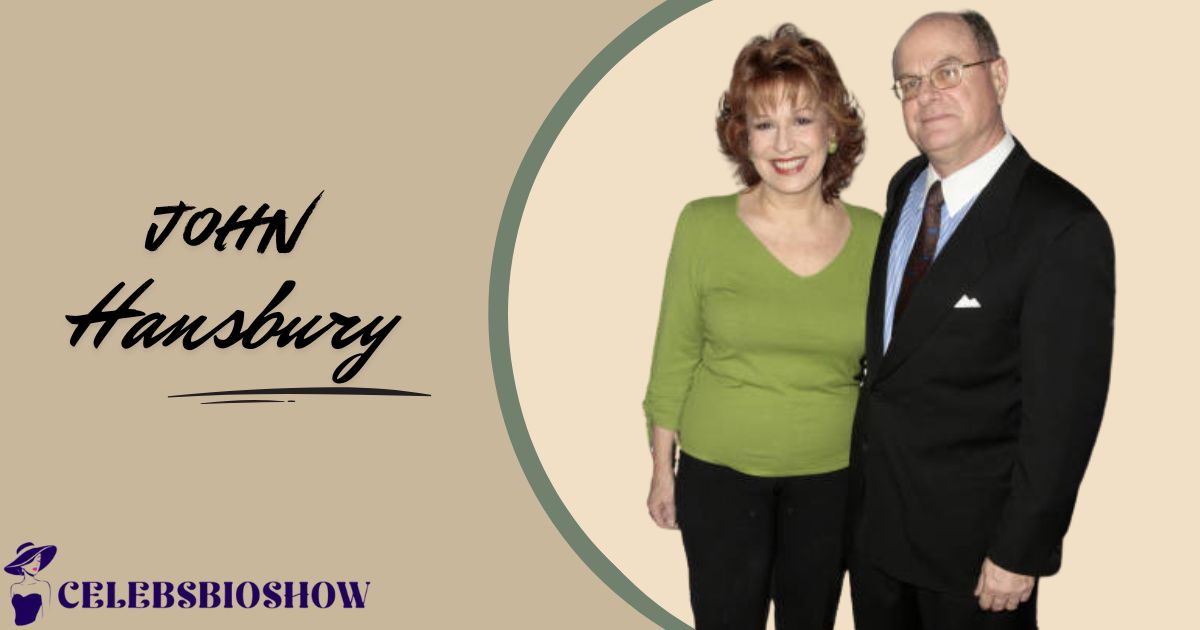
John Hansbury walks a line that few manage to navigate successfully. On one side, he is a creature of New York’s private legal sector—a man dealing in the quiet, dusty world of wills, trusts, and estates. On the other, he is a public figure who stood in the blinding spotlight of Hollywood tragedy and emerged as a relentless advocate for women’s health. He isn’t just the attorney you call when you need a trust drawn up; he is the man who turned the worst year of his life into a twenty-year crusade against ovarian cancer.
You might know the name John Hansbury because of his marriage to the late, great Madeline Kahn. That connection is undeniable. But defining him solely by his loss misses the point of the man. His story is about endurance. It’s about a guy from Massachusetts who went to law school, built a solid practice, lost everything that mattered personally, and then decided to rebuild it all—brick by brick. This isn’t a glossed-over success story; it’s a look at how a private citizen creates a legacy when life hands him a raw deal.
Also Read: Patrick Boyriven and Andrew Hintt
Key Takeaways
- The Professional: John Hansbury anchors his career in New York City, handling the sensitive, high-stakes world of entertainment law and estate planning.
- The Advocate: He didn’t just join a charity; he led one. For a decade, he chaired the Ovarian Cancer Research Alliance (OCRA), transforming it into a global powerhouse.
- The Survivor: After losing his wife, Madeline Kahn, to cancer in 1999, he refused to retreat, choosing instead to fight the disease that took her.
- The Scholar: His worldview was shaped by the progressive halls of Oberlin College and the socially conscious Antioch School of Law.
- The New Chapter: Life goes on. Hansbury remains active in law and advocacy and found happiness again, marrying Carisa Jackson in 2016.
Who Is John Hansbury When the Courtroom Doors Close?
Forget the headlines for a second. At his core, John Hansbury is a product of Rockport, Massachusetts. Growing up with parents Stephen and Susan Hansbury, he didn’t come from the kind of flash that characterizes his later connections to the entertainment industry. He came from solid, New England stock. That upbringing instills a certain kind of pragmatism—a “keep your head down and do the work” mentality that seems to govern his life today.
He has spent over four decades as an attorney. In a city like New York, where lawyers are as common as yellow cabs, lasting forty years in private practice requires more than just passing the bar. It takes grit. He isn’t chasing ambulances or shouting on billboards. He operates in the background, handling the messy, complicated realities of death and inheritance. It’s quiet work. It’s influential work. And he does it without the need for constant applause. That discretion is likely why he works so well with high-profile clients; he knows how to keep a secret in a town that loves to gossip.
How Did a Progressive Education Mold His Legal Philosophy?
You can tell a lot about a lawyer by where they learned the trade. John Hansbury didn’t take a standard path. He started at the Mount Hermon School, a place that hammers home the idea of duty. But the real shaping happened at Oberlin College. If you know anything about Oberlin, you know it’s not just a school; it’s an incubator for social consciousness.
He didn’t stop there. He went on to the Antioch School of Law in Washington, D.C. This is crucial context. Antioch wasn’t your typical ivory tower law school. It was gritty. It was clinical. It was founded on the idea that law should be a tool for social justice, not just a way to bill hourly rates.
When you look at Hansbury’s later work—specifically his ferocious advocacy for cancer research—you see the DNA of Antioch. He treats the fight against ovarian cancer not just as a medical issue, but as a justice issue. Women were dying because the funding wasn’t there, and he used his legal training to argue their case. He didn’t just learn statutes; he learned how to fight for the underdog.
Why Is His Work in Trusts and Estates So Critical?
Most people think of “wills and trusts” as boring paperwork. John Hansbury knows better. This is the legal frontline of family drama. When a person dies, especially a person with assets or creative rights, things get ugly fast. Hansbury specializes in entertainment law, wills, trusts, and estates.
Think about what that actually means. He isn’t just managing money; he is managing legacies.
- The Creative Estate: When an artist dies, who owns the work? Who gets the royalties? Hansbury navigates these murky waters, ensuring that a creator’s voice isn’t silenced by bad contracts after they’re gone.
- The Family Dynamic: Death brings out the best and worst in families. An estate lawyer has to be part therapist, part mediator, and part shark.
Hansbury has thrived in this sector because he understands human nature. He knows that at the end of the day, a will isn’t about money—it’s about control, love, and final wishes. He steps into chaotic situations and creates order. That takes a level of emotional intelligence that you can’t teach in a classroom.
What Was the Reality of His Life with Madeline Kahn?
The tabloids loved the headline: “Funny Lady Marries Lawyer.” But the reality of John Hansbury’s relationship with Madeline Kahn was far more grounded. They didn’t rush into anything. In fact, they dated for ten years.
Ten years.
In an industry where marriages often have the shelf life of a carton of milk, a decade of dating is practically an eternity. It suggests they weren’t interested in the performance of a relationship; they were interested in the actual partnership. They lived together, they built a life, and they stayed out of the paparazzi’s way.
Then came the diagnosis. Ovarian cancer is a thief. It strikes hard and it strikes fast. When things looked bleak in October 1999, they didn’t give up. They got married. It wasn’t a “shotgun wedding”—it was an act of defiance. It was John saying, “I am here, no matter what happens next.”
Madeline died in December, just two months later. She was 57. John was left with a marriage certificate that was barely dry and a hole in his life the size of the Grand Canyon. But that short marriage wasn’t a tragedy; the tragedy was the illness. The marriage was the victory.
Why Did He Choose to Fight Back Through the OCRA?
Most people would have retreated. After losing a spouse to a brutal disease, the natural instinct is to hide, to grieve, to shut out the world. John Hansbury did the opposite. He got angry, and he got organized.
He looked at the landscape of ovarian cancer research and saw a deficit. It was the “silent killer,” a disease that killed thousands of women but received a fraction of the funding breast cancer did. He joined the Board of Directors of the Ovarian Cancer Research Alliance (OCRA) and quickly made it clear he wasn’t there to be a figurehead.
He served as Board Chair for ten years. This wasn’t a vanity project. Under his watch, the OCRA grew teeth. They went to Capitol Hill. They lobbied for federal research dollars. They partnered with the entertainment industry to raise millions. Hansbury used every contact, every legal skill, and every ounce of his personal story to push the agenda forward. He turned his personal nightmare into a strategic operation to save other women.
Does His Advocacy Actually Make a Difference?
Skeptics might ask what a lawyer can really do against a biological disease. The answer is: a lot. Science needs money. Research needs policy. John Hansbury provided both.
During his leadership, the OCRA became the largest global organization of its kind. That doesn’t happen by accident. It happens because someone is steering the ship, making the hard calls, and convincing donors to open their checkbooks.
- The Bench in the Park: There is a quieter side to his devotion, too. If you walk through Central Park, you might find a bench dedicated to Madeline. John and her brother Jeffrey put it there. It’s a simple wooden bench, but it anchors her memory in the city she loved. It’s a physical spot where he could go, sit, and remember. It reminds us that behind the board meetings and the galas, there is still just a guy missing his wife.
How Do You Start Over After Such a Loss?
The “widower” label can be a heavy coat to wear. For years, Hansbury wore it with dignity. But life is for the living. He kept working, he kept advocating, and eventually, he let himself live again.
In January 2016, the narrative shifted. John Hansbury married Carisa Jackson. They didn’t do it in a cathedral or a ballroom. They got married at Bill’s Food & Drink on 54th Street.
There is something incredibly telling about that venue choice. It feels intimate. It feels like a celebration of life, good food, and survival. Carisa, who works in investment advisory and comes from the fashion world, represents a new season.
This creates a powerful image for anyone reading his story: You can honor the past without being buried by it. You can love someone who is gone and still make room for someone who is here. It takes a hell of a lot of bravery to open your heart up a second time, knowing exactly how much it hurts to lose.
Why Does John Hansbury Avoid Social Media?
Try to find John Hansbury on TikTok. Look for his Twitter rants. You won’t find them. In a world that is addicted to oversharing, Hansbury is a ghost online.
This isn’t an accident. It’s a choice. When you deal with high-net-worth individuals and their secrets all day, you learn the value of privacy. But more than that, it feels like a personal stance. He lived through a very public death with Madeline. He saw the flashbulbs pop when he was at his lowest.
By staying offline, he controls his own narrative. He isn’t curating a fake life for likes; he is actually living his life. He focuses on his clients, his wife Carisa, and his work with the OCRA. He protects his peace. In 2024, that is almost a radical act.
What Can We Learn from His Journey?
John Hansbury isn’t a celebrity, but he is a protagonist. His life offers a roadmap for handling the curveballs reality throws at us. He didn’t ask to be a cancer advocate. He didn’t ask to be a widower at a young age. But when those things happened, he didn’t fold.
He used the tools he had—his legal mind, his education, his connections—to fight back. He illustrates the power of the “Citizen Advocate.” You don’t need to be a doctor to cure cancer; sometimes you just need to be the guy who gets the doctors the funding they need.
His story is also a lesson in professional dedication. In a gig economy where people change careers every five years, Hansbury has stayed the course for four decades. He mastered his craft. He became the guy you trust.
The Bottom Line
John Hansbury is a man of substance in a superficial world. From the classrooms of Antioch to the partner desk at a New York firm, he has operated with a quiet intensity. He took the tragedy of losing Madeline Kahn and transmuted it into a lifeline for thousands of women he will never meet.
He is proof that you can have a second act. You can rebuild. You can find love at Bill’s Food & Drink after you thought the music had stopped. His biography isn’t just a list of legal cases; it’s a manual on how to keep going.
FAQs – John Hansbury
Who is John Hansbury and what is his background?
John Hansbury is a New York-based lawyer specializing in wills, trusts, and estates, with a background rooted in Massachusetts. He built a solid legal career over four decades, handling high-stakes cases with discretion and dedication.
What is the significance of John Hansbury’s advocacy with the Ovarian Cancer Research Alliance (OCRA)?
After losing his wife Madeline Kahn to ovarian cancer, Hansbury became a passionate advocate for women’s health, serving as OCRA’s Board Chair for ten years and working tirelessly to increase funding and awareness for ovarian cancer research.
How did John Hansbury’s education shape his approach to law and advocacy?
Hansbury’s education at Oberlin College and Antioch School of Law emphasized social justice, influencing his legal philosophy to view law as a tool for advocacy and justice, particularly in fighting for underfunded health issues like ovarian cancer.
Why does John Hansbury avoid social media and how does this reflect his personality?
Hansbury avoids social media to maintain his privacy, control his personal narrative, and focus on his work, reflecting a desire to live authentically without the distractions and superficiality of online oversharing.
What lessons can we learn from John Hansbury’s life story?
Hansbury’s journey teaches resilience, the power of advocacy, and staying dedicated to one’s profession despite personal hardships, demonstrating that it’s possible to find purpose and rebuild after tragedy.