
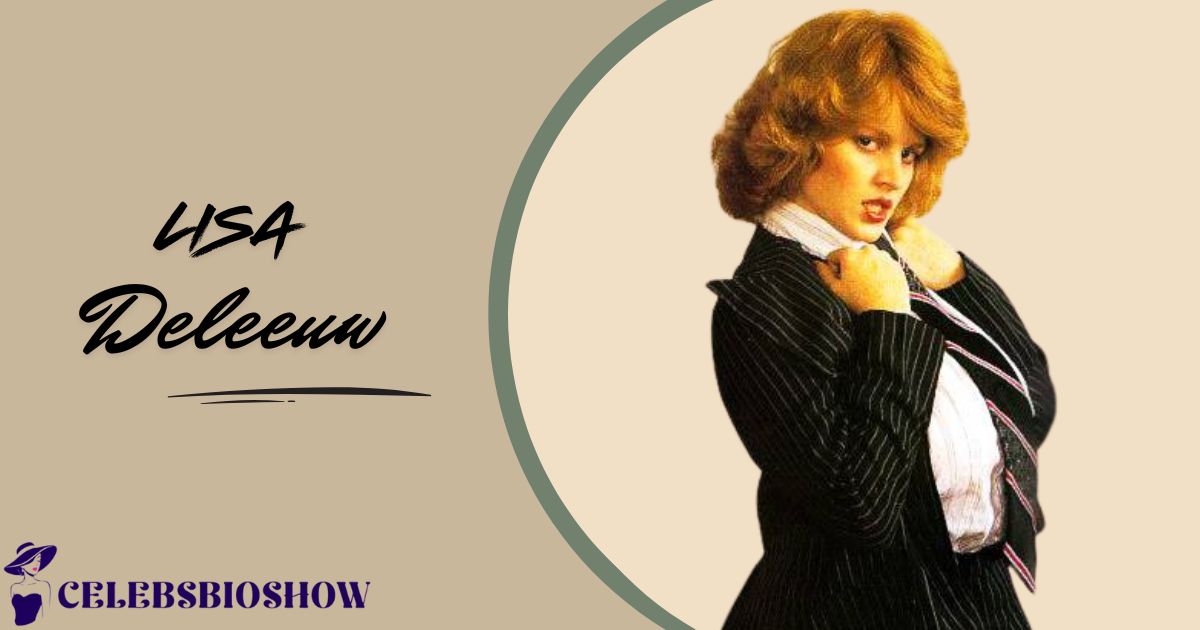
You can’t talk about the Golden Age of adult cinema without eventually landing on Lisa DeLeeuw. If you were around back then, or if you’ve spent any time digging through the dusty crates of cinema history, you know exactly who she is. She wasn’t the plastic, airbrushed ideal that took over in the 90s. She was real. She had wild, frizzy hair, she wore glasses that looked like they belonged to a librarian, and she possessed an energy that could burn a hole right through the screen.
I remember the first time I saw her name on a VHS box in the back of a mom-and-pop video store. The cover was faded, but the charisma was undeniable. Lisa DeLeeuw represents a specific moment in time—a fleeting window between the sexual revolution of the 70s and the terrified clampdown of the AIDS epidemic. Her story isn’t just a biography; it’s a snapshot of an era that burned bright and burned out fast.
We are going to dig into her life, her meteoric rise, and the tragic end that silenced one of the industry’s most unique voices. This isn’t just about movies; it’s about a woman who came from the cornfields of Illinois and left a mark on pop culture that refuses to fade away.
Also Read: Michael Miklenda and Amba Isis Jackson
Key Takeaways
- Midwest Roots: Lisa didn’t start in Hollywood; she brought a distinct “girl next door” reality from Moline, Illinois, that audiences craved.
- The Golden Era: She defined the late 70s and early 80s, starring in high-budget productions shot on actual 35mm film.
- Cult Classic Status: Her performance in Dracula Sucks remains a crossover hit, merging horror comedy with adult themes.
- The Video Transition: Lisa DeLeeuw bridged the gap between theatrical releases and the home video boom, working tirelessly across both mediums.
- A Tragic End: Her life was cut short by AIDS in 1993, a devastating reminder of the plague that decimated a generation of performers.
Why Does a Girl from Moline, Illinois, Run Away to the Circus?
It’s the classic American story, isn’t it? You grow up in a place like Moline, Illinois. It’s quiet. It’s safe. It’s predictable. For some people, that’s paradise. For someone like Lisa DeLeeuw, born in 1958, it must have felt like a cage.
I’ve often wondered what that drive feels like—the itch to pack a bag and just go. Lisa didn’t just drift; she propelled herself toward the spotlight. She landed in California right as the 70s were hitting their hedonistic peak. The music was loud, the clothes were polyester, and the moral guardrails of the 50s had been completely dismantled.
She started out dancing. That’s how a lot of them broke in. You use what you have. She had rhythm, she had a body that wouldn’t quit, and she had a fearlessness that you can’t teach. By 1978, she made the jump to film. And I don’t mean gritty loops in a basement; I mean the big time. She arrived right when the industry was trying to be “cinema.” They wanted stars. Lisa DeLeeuw looked in the mirror and decided she was going to be one.
What Was It About the “Golden Age” That We Miss Today?
If you weren’t there, it’s hard to explain the texture of it. I’m talking about 35mm film. There is a warmth to it, a graininess that digital video just can’t replicate.
In the late 70s, adult films were actual movies. They had scripts. They had composers writing original funk scores. They had lighting directors who knew how to frame a shot. Lisa DeLeeuw walked onto sets that looked like legitimate Hollywood productions.
- The Craft: Directors took pride in their work. They weren’t just content churning; they were filmmakers.
- The Theaters: People actually went to cinemas to see these movies. It was a communal experience, not a solitary one on a smartphone.
- The Acting: You had to deliver lines. You had to have timing. Lisa had comedic chops that rivaled mainstream actresses.
I was talking to a buddy of mine, an old projectionist, and he told me, “Lisa was different because she looked like she was having fun.” That was the key. She didn’t look bored. She didn’t look like she was clocking in. She brought a manic, joyful energy to the screen that made you feel like you were hanging out with the wildest girl at the party.
Did Dracula Sucks Actually Change the Game?
You have to talk about Dracula Sucks (1978). If you mention Lisa DeLeeuw to a casual fan, this is the movie they bring up. And for good reason.
They filmed it on the actual Universal Studios sets. Just think about the audacity of that. Lisa DeLeeuw, playing Mina Belmont, walking the same gothic corridors as the legends of horror. The movie is a trip. It’s campy, it’s silly, but it has high production values that frankly shock people who see it for the first time today.
Lisa holds the screen. She plays the innocent victim who slowly gives in to the darkness. It’s a role that required her to be funny, sexy, and dramatic all at once. She nailed it. This film crossed over. It played at midnight screenings. It found an audience outside the trench coat crowd. It cemented Lisa not just as a performer, but as a cult icon.
How Did She Handle the Shift to Video Tape?
Then the 80s really kicked in. The VCR changed everything. Suddenly, you didn’t need a theater. You could watch at home.
The industry shifted gears. Budgets dropped. The 35mm cameras got sold off and replaced by clunky video camcorders. A lot of stars from the 70s couldn’t hack it. They hated the fast pace. They hated the harsh lighting.
But Lisa? She was a workhorse. She adapted. She cranked out scene after scene. You look at her filmography, and the numbers are staggering. She appeared in the Garage Girls series and countless other video-shot productions.
I get a little sad watching some of the later stuff, though. You can see the glamour fading from the industry. The sets get cheaper. The scripts disappear. But Lisa DeLeeuw never phoned it in. Even in a cheap motel room set with bad lighting, she gave it 110%. She had a professional pride that refused to let the drop in production value affect her performance.
Why Did the Audience Connect with Her “Realness”?
Let’s be honest about the industry today. It’s very… manufactured. Perfect teeth. Perfect skin. Perfect proportions. It can feel a bit robotic.
Lisa DeLeeuw was the antidote to that. She had imperfections. She had curly hair that did whatever it wanted. She often wore those big, plastic-rimmed glasses in scenes, which became her trademark. She looked like a real human being.
- The Girl Next Door: Not the sanitized version, but the actual girl who lived down the hall and threw loud parties.
- The Voice: She had a raspy, distinct voice. When she spoke, you listened.
- The Passion: She was fiery. There was nothing passive about her. She took charge.
I think that’s why guys loved her. She didn’t seem unattainable. She seemed like someone you could actually meet, someone you could laugh with. She broke down the wall between the fantasy and the reality. In a world of plastic dolls, Lisa DeLeeuw was flesh and blood.
What Cast the Shadow Over the Party?
We have to talk about the end. You can’t tell the story of the 80s without the ghost at the feast.
The AIDS crisis hit the adult industry like a freight train. At first, nobody knew what was happening. People just started getting sick. Friends I knew in the city would tell me stories about guys disappearing from the bar scene, about sets shutting down because the lead actor had the “flu” that never went away.
It was a time of absolute terror. There was no testing protocol in the beginning. There were no condoms on set because producers thought it killed the vibe. The performers were on the front lines of a biological war they didn’t even know they were fighting.
Lisa retired in the mid-80s. Maybe she saw the writing on the wall. Maybe she was just tired. But the virus didn’t care about retirement.
How Do We Process Her Premature Death?
Lisa DeLeeuw died on November 11, 1993. She was 35.
Read that again. 35 years old.
That hits me in the gut every time. She had barely started her life. She missed the internet. She missed the DVD boom. She missed the chance to look back on her career with the wisdom of age.
She died from AIDS-related complications. It was a brutal, quiet end for a woman who lived so loudly. For a long time, it was just a rumor. The internet wasn’t what it is now. Fans would ask, “Whatever happened to Lisa?” And the answers were always vague. Confirming her death was a slow, painful process for the community.
It’s a stark reminder that the freedom of the 70s came with a bill that came due in the 80s and 90s. Lisa paid the highest price.
Why Does Lisa DeLeeuw Still Matter in 2025?
So, here we are, decades later. Why am I writing this? Why are you reading it?
Because legends don’t die as long as we keep talking about them. There is a massive movement right now to preserve this history. People are scanning old negatives. They are archiving magazines. They are realizing that this wasn’t just “smut”—it was cultural history.
Lisa DeLeeuw is a pillar of that history. When young people discover the Golden Age today, she is one of the first faces they see. They see her vitality. They see her style.
Is She a Feminist Icon?
That’s a loaded question, isn’t it? Depending on who you ask, you’ll get a different answer. But from where I’m sitting, she owned her sexuality. She made her money. She lived on her terms.
She paved the way for the performers today who run their own empires. She proved that you didn’t have to fit a cookie-cutter mold to be a star. She was weird, she was funny, and she was sexy. That trifecta is rare.
I look at the content creators today, the ones who emphasize “personality” over perfection, and I see Lisa’s DNA in them. She was doing “parasocial connection” before that was even a word. She made you feel like you knew her.
What is the Final Verdict on Her Legacy?
Lisa DeLeeuw was a shooting star. She burned incredibly hot, lit up the sky for a few years, and then vanished into the dark. But the afterimage? That stayed.
She represents the best and the worst of that era. She represents the artistic ambition of Dracula Sucks and the grinding reality of the video mills. She represents the sexual liberation of the disco era and the tragic devastation of the AIDS crisis.
I don’t want to remember her as a victim, though. I want to remember her as the force of nature she was on screen. I want to remember the glasses, the hair, and that wild, uncontainable laugh.
Lisa DeLeeuw helped build an industry. She gave everything she had to it. And while she may be gone, the reels are still spinning somewhere. As long as we hit play, she’s still alive, forever 25, forever the queen of the Golden Age.
If you want to understand the human cost of this era, or just pay your respects to the pioneers we lost, take a moment to look up the [suspicious link removed]. They do incredible work documenting the lives of people like Lisa, ensuring that their stories aren’t lost to the static of time.
FAQs – Lisa DeLeeuw
Who was Lisa DeLeeuw and why is she significant in adult cinema history?
Lisa DeLeeuw was a prominent star during the Golden Age of adult cinema, known for her authentic, relatable persona, wild personality, and contributions to cult classic films like Dracula Sucks. She symbolizes a unique era in adult film when movies were crafted with artistic intent and theatrical quality.
What made the adult films of the late 70s and early 80s unique compared to today?
Adult films during the late 70s and early 80s were actual movies with scripts, original scores, professional lighting, and theatrical releases, creating a communal cinema experience. They were made with artistic ambition, unlike the more manufactured and digital-focused content of today.
How did Lisa DeLeeuw handle the transition from film to video in the industry?
Lisa DeLeeuw adapted remarkably well to the shift to video tape in the 80s, continuously working in various productions and maintaining her professional pride, even as production values declined and routines changed.
What is the significance of Dracula Sucks in Lisa DeLeeuw’s career?
Dracula Sucks (1978) is considered a turning point for Lisa DeLeeuw, showcasing her talent in a high-production-value horror parody filmed on Universal Studios sets, which helped cement her cult status and demonstrated her capacity for comedic, sexy, and dramatic roles.
Why does Lisa DeLeeuw’s story still matter today?
Lisa DeLeeuw’s story matters because she embodies authenticity, artistic innovation, and pioneering spirit in adult cinema. Preserving her legacy helps keep cultural history alive and offers a glimpse into a transformative era in film and pop culture.